Roofing
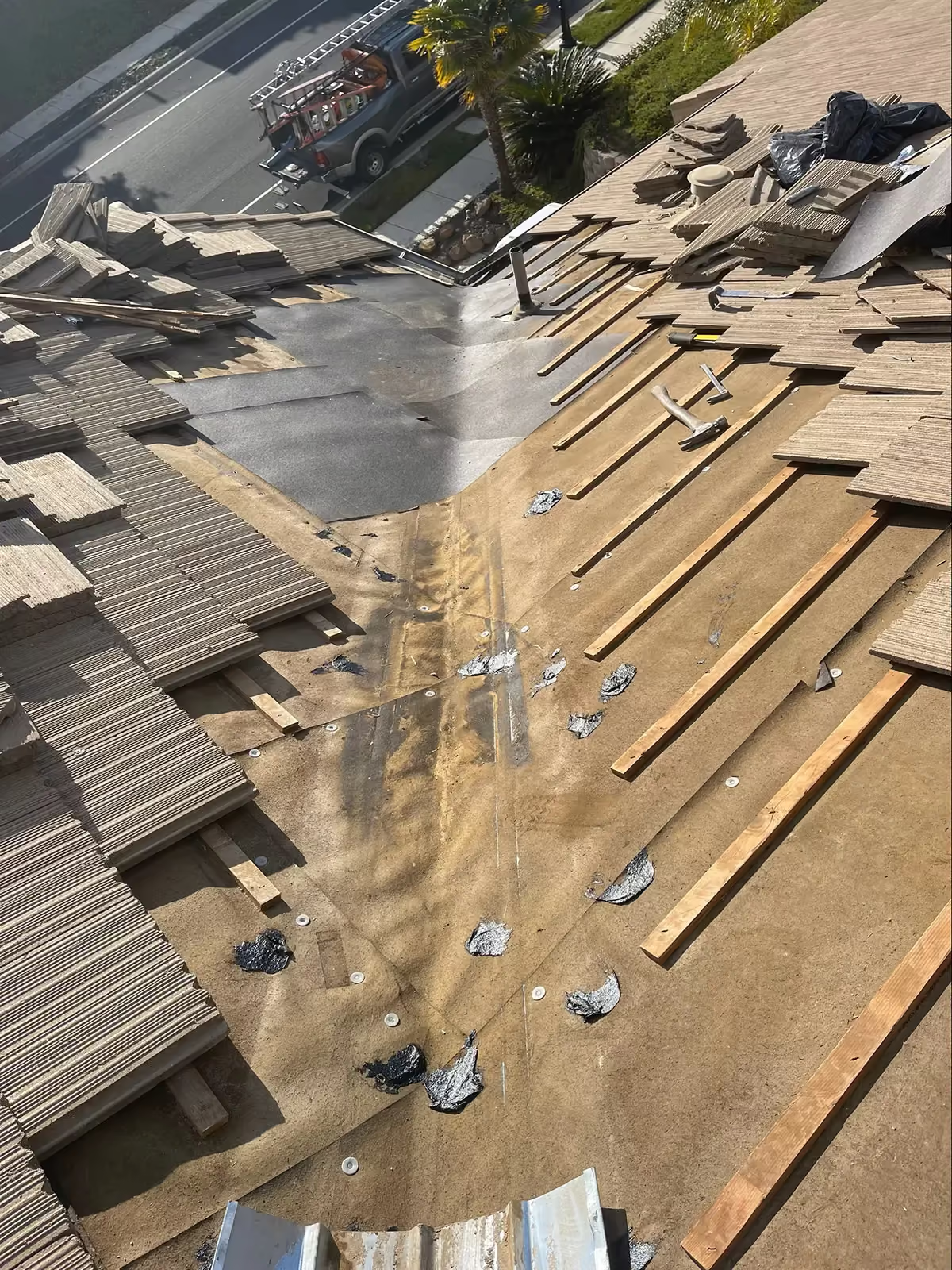
New roofs, replacements and repairs in asphalt, tile, metal and flat torch-down. We check the roof underneath as well as the covering you can see.
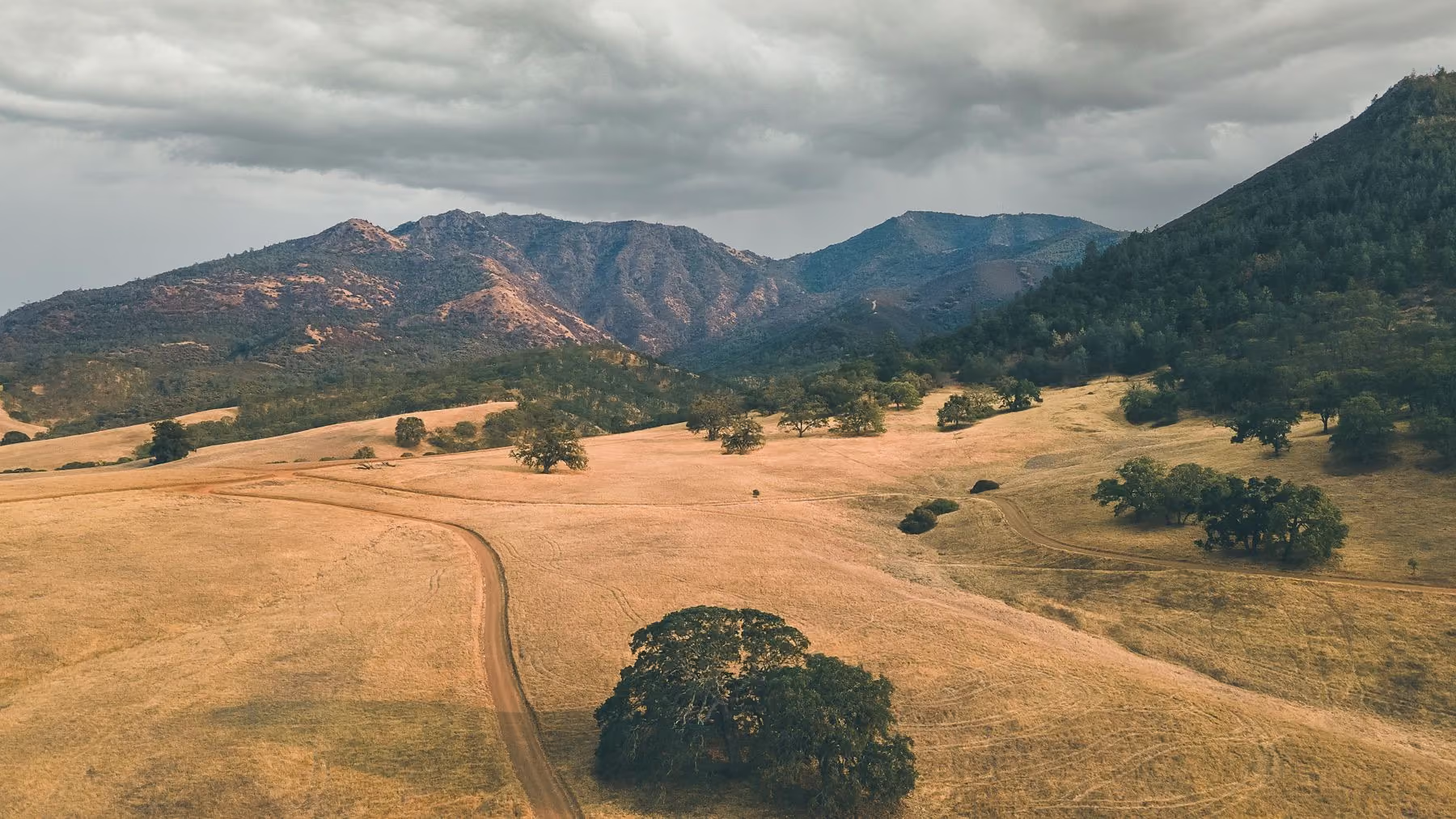
Clayton homes face downslope winds from Mount Diablo, seasonal oak debris and the roofing considerations that come with living beside the wildland edge.
What we do
New roofs, replacements and repairs in asphalt, tile, metal and flat torch-down. We check the roof underneath as well as the covering you can see.
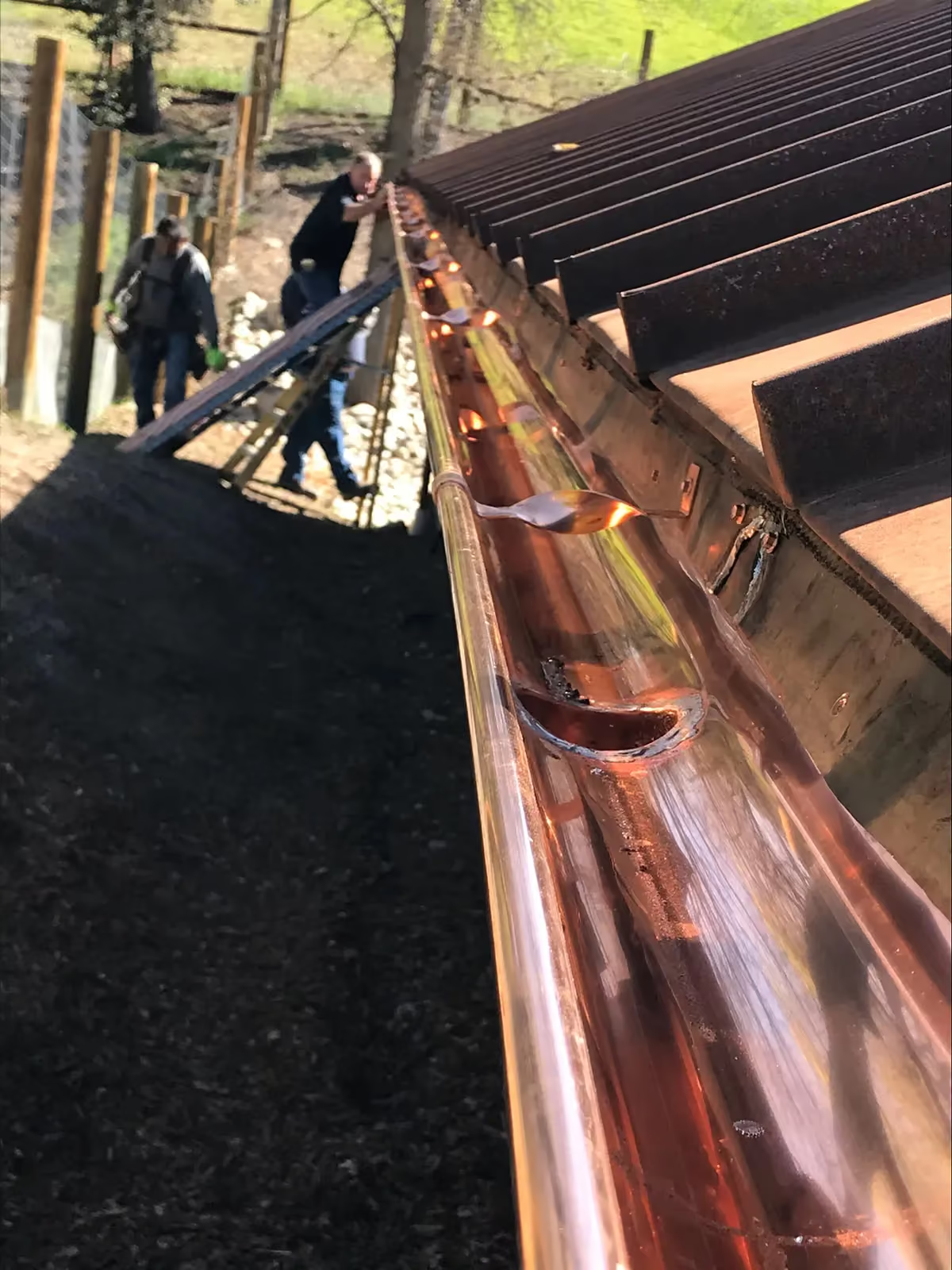
We form aluminum and copper gutters at your home to fit each roof edge. If your existing gutters are still sound, we also handle repairs, cleaning and guards to help keep leaves out.
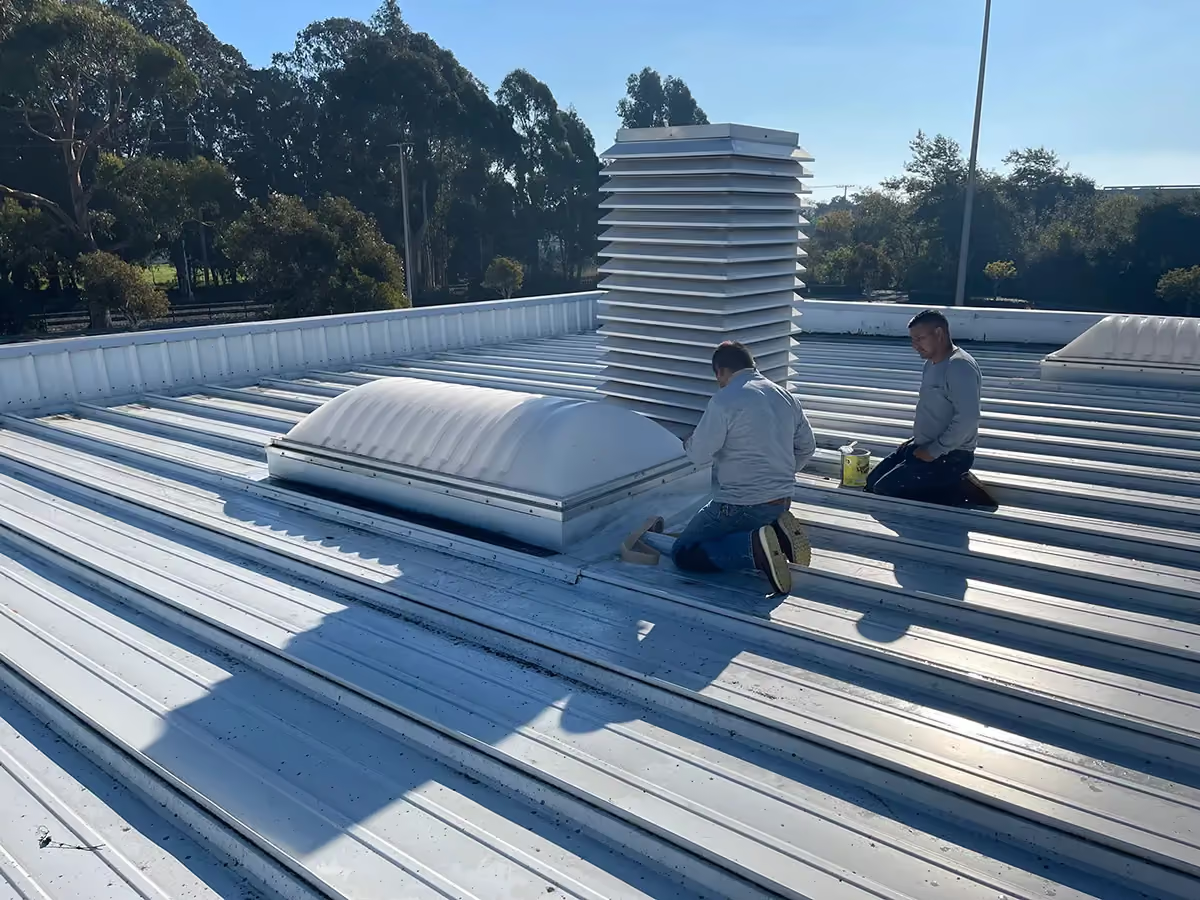
Add daylight to a dark room, replace an old unit or find out why one is leaking. We install VELUX skylights and fit the flashing that keeps rain from getting in around them.
Local conditions
Roofs around Oakhurst and Stranahan range from ranch homes to steep hillside designs. Valleys on the steeper roofs can send a lot of runoff toward one corner, while summer heat wears on exposed shingles and trim. A leak inspection needs to include the chimney, dormers and skylight connections as well as the main covering. We look for the places where water changes direction or meets another material, because those details can behave differently during wind-driven rain.
Oaks, bay laurels and buckeyes drop leaves and twigs close to the roof. Debris can block gutters in winter and collect around the eaves during the dry season. That matters on properties near the wildland edge, where gutter maintenance is also part of managing combustible buildup. A guard may help keep larger debris out of the channel, but the roof valleys and surface of the cover still need checking. No gutter product makes the whole roof maintenance-free.
Downslope winds put exposed gutters and downspouts under strain. We check whether the hangers reach sound framing and whether the vertical pipes are firmly attached. Long eaves may also need outlets positioned closer to the heaviest runoff. At ground level, the route could involve a swale or a drainage line, depending on the property. The point is to carry water away from the foundation and terrace edges without creating a new washout elsewhere on the slope. If access involves a narrow side path or a terrace, mention it before the visit. The inspection and any later work need an access plan that protects the surrounding landscaping and allows the roof details to be reached safely.
Wind can carry debris onto a roof from nearby trees and push rain toward roof edges differently from a calm shower. In exposed locations, the gutter attachments and outlets need checking along with the channel. Note where spilling happens and whether it is tied to wind direction. Those observations help the inspection without requiring you to climb up during bad weather.
In a fire-prone area, ask what requirements apply to the complete roof assembly and the openings around it. The covering is only part of that discussion; eaves, valleys and attic vents need consideration too. Have the contractor identify the proposed materials and details in the estimate. A product described as fire-resistant is not a promise that the house cannot burn.
Free estimate
Tell us what's happening at your property, one step at a time. We'll review your request during business hours and arrange a free inspection.
Sat by appointment · Sun closed
100 Example Road, Brentwood, CA 94513 · office@example-roofing.demo
Your property answers are saved in this browser as you go. About saved answers.
Thanks. We will call during business hours to set up the inspection.
That did not send. Call (925) 555-0100 instead and we will take the details over the phone.