Roofing
New roofs, replacements and repairs in asphalt, tile, metal and flat torch-down. We check the roof underneath as well as the covering you can see.
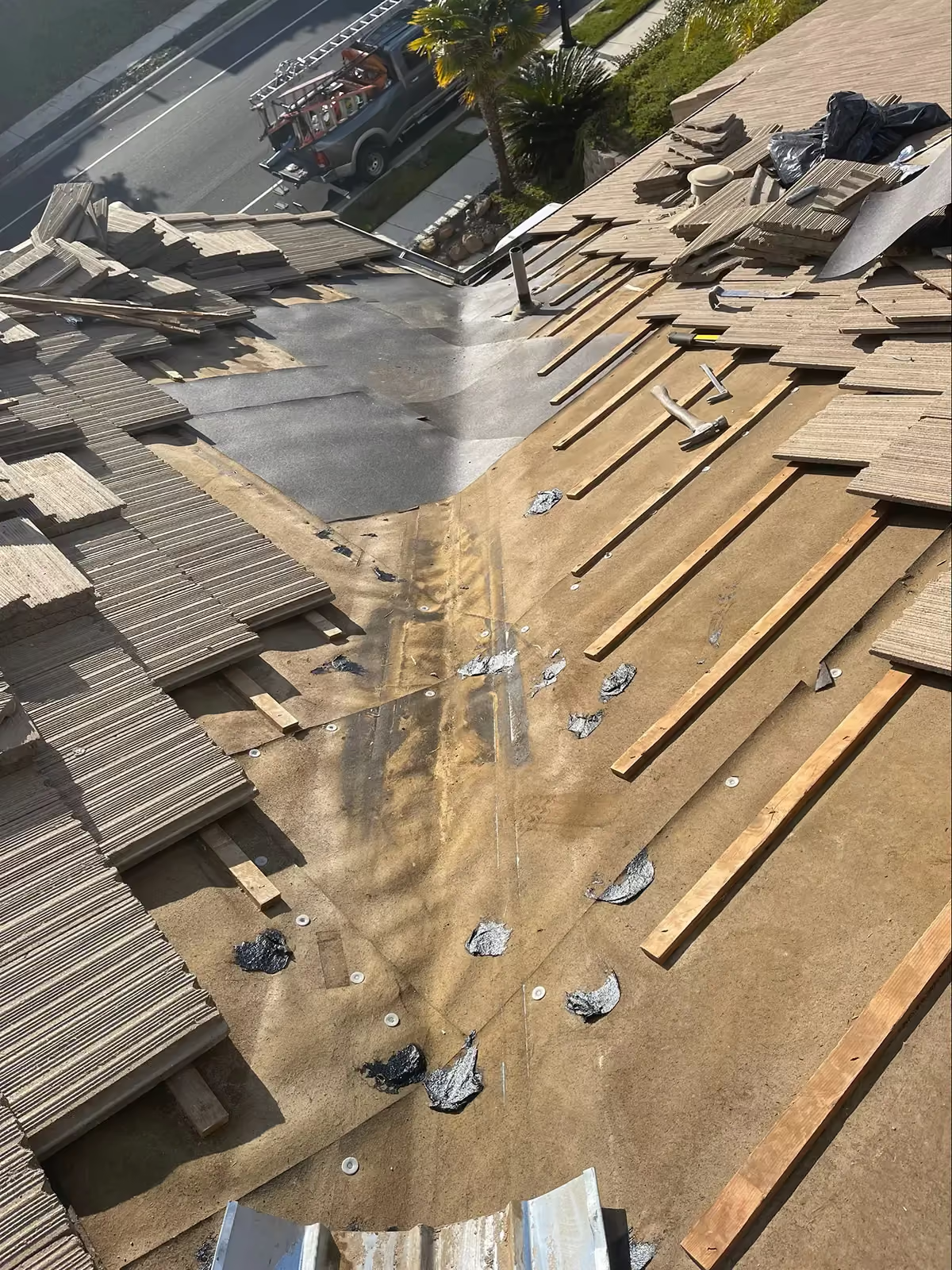
Berkeley changes character every few blocks as it climbs, and a roof in the hills is planned around different risks from one down in the flats.
What we do
New roofs, replacements and repairs in asphalt, tile, metal and flat torch-down. We check the roof underneath as well as the covering you can see.
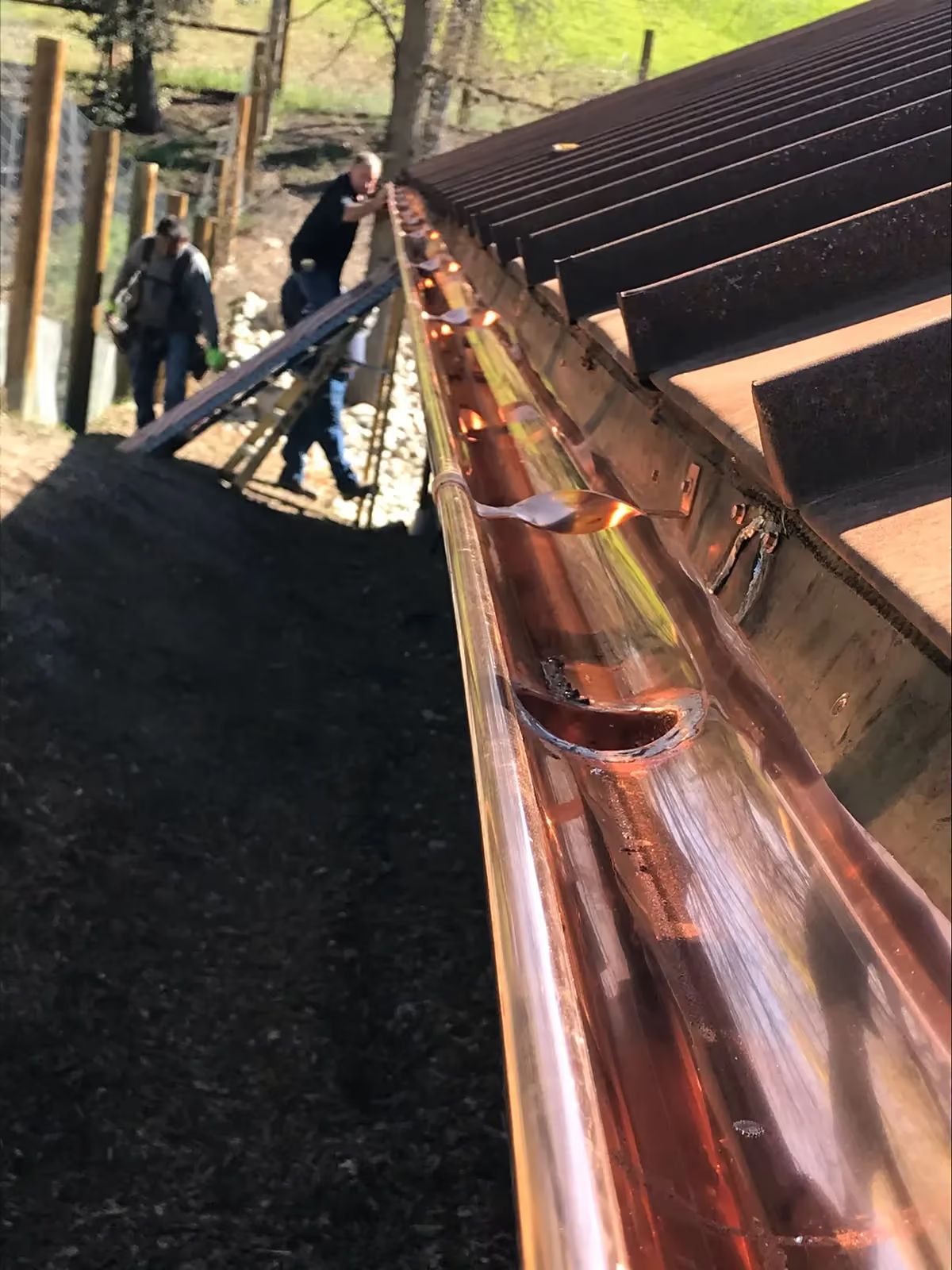
We form aluminum and copper gutters at your home to fit each roof edge. If your existing gutters are still sound, we also handle repairs, cleaning and guards to help keep leaves out.
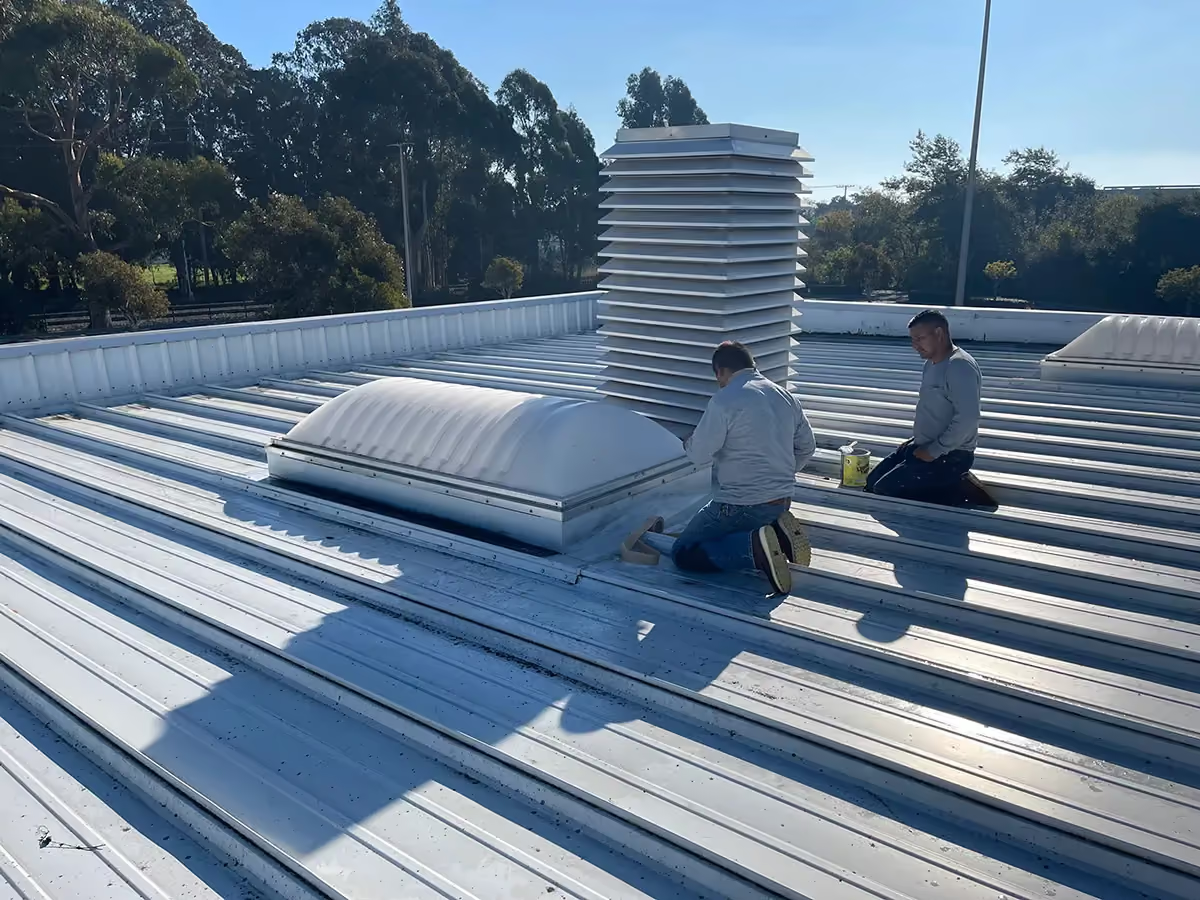
Add daylight to a dark room, replace an old unit or find out why one is leaking. We install VELUX skylights and fit the flashing that keeps rain from getting in around them.
Local conditions
Above the fault line the streets narrow, the driveways tilt and the lots fall away behind the house. Everything about a roof job there is shaped by access: where a truck can stand, how the tear-off comes down, whether the crew works off the street or off a deck that was never built for pallets of material. We walk that before we price it. In the hill neighborhoods we also expect questions about what the whole assembly is made of rather than just the covering, because the eaves, the valleys and the attic vents matter as much as the surface when a hillside street sets its requirements.
The brown shingle and Craftsman houses that define the middle of the city were built with deep overhangs and exposed rafter tails, and those details are the reason the style looks the way it does. They are also where water does its damage. A gutter hung off the end of an exposed tail puts its load somewhere the builder did not plan for, and once the tail softens the whole run leans. Where the timber is still good we fix into it properly and leave the detail visible. Where it has gone, the carpentry comes first and we say so on the estimate as its own line rather than folding it into the metal.
Down in the flats the fog wins. North-facing slopes carry moss, gutters hold damp litter from redwood and oak through the wet months, and a roof that would dry by mid-morning a few miles inland stays wet all day. Redwood duff is the particular nuisance: it is fine enough to pass most covers and it packs down into a mat that holds water against the metal. Knowing which trees overhang your roof tells us how often it needs clearing, which is a more honest answer than a schedule copied off a chart.

In a fire-prone area, ask what requirements apply to the complete roof assembly and the openings around it. The covering is only part of that discussion; eaves, valleys and attic vents need consideration too. Have the contractor identify the proposed materials and details in the estimate. A product described as fire-resistant is not a promise that the house cannot burn.
Water around a skylight is not always rain coming through the roof. Warm indoor air can condense against cold glass, particularly near a damp room. Note whether the moisture appears during rain or on dry, cold mornings and where it starts. Those clues can guide the inspection, which should consider ventilation and the glazing as well as the flashing.
Free estimate
Tell us what's happening at your property, one step at a time. We'll review your request during business hours and arrange a free inspection.
Sat by appointment · Sun closed
100 Example Road, Brentwood, CA 94513 · office@example-roofing.demo
Your property answers are saved in this browser as you go. About saved answers.
Thanks. We will call during business hours to set up the inspection.
That did not send. Call (925) 555-0100 instead and we will take the details over the phone.