Moss growing on the roof
Moss grows where a roof stays damp: the north slope, under trees, wherever fog sits in the mornings. It is not just cosmetic. A mat of moss holds water against the roofing for days, works its way under the edges of shingles and tiles and keeps the surface wet enough to shorten its life. Removing it gently, then fixing what keeps the slope damp, is the job.
The symptom
What you are seeing
- Green cushions along the lower edges of the shingles or in the channels between tiles, thickest on the side of the house that gets the least sun. In wet months it is bright and spongy; in summer it dries brown and looks like it has gone, then comes back with the first rain. Bits of it wash down into the gutters. Where it has been growing for years, the shingle edges may be lifted and the granules worn away beneath the mat.
- Look at where it grows and where it does not. Moss follows shade and moisture, so a slope under a large tree or facing north will carry it while the south side stays clear. Check the roof from the ground with binoculars rather than walking on it, since wet moss is slippery and moss-covered tiles crack underfoot. Note the condition of the covering where the moss is thickest, because that is where any damage will be.
Most likely first
Likely causes
Shade and morning fog
A slope that never gets direct sun stays wet long after the rest of the roof has dried, and moss spores that land on it take hold. Coastal fog and winter rain give it most of the year to grow.
Overhanging trees
Branches shade the roof, drop debris that holds moisture and keep the air still. Under a heavy canopy even a south slope can grow moss, and the gutters below it clog with what washes down.
Debris that holds water
Needles and leaves that lodge behind vent pipes and in valleys make a damp bed that moss colonizes first. From there it spreads along the shingle edges.
A rough or worn surface
Weathered shingles with an open texture and the lower edges of concrete tiles give moss something to grip. New, smooth roofing resists it for years; old roofing invites it.
Earlier cleaning done with a pressure washer
Blasting moss off a roof strips granules and forces water under the laps. The surface is rougher afterward and the moss returns faster, with the roof a year or two older for it.
The honest rule
Repair or replace
Moss alone is a maintenance job, not a roofing decision. It is killed with a treatment made for roofs, left to die back and then brushed or rinsed off gently from above, working down the slope so nothing is forced under the laps. Trimming back the branches that shade the slope and clearing the debris that holds water keep it from returning. Zinc or copper strips near the ridge slow regrowth on the slope below them.
The roof becomes the question when the moss has been there long enough to do harm: shingle edges that stay curled after the moss is gone, granules worn to the mat, tiles cracked from years of freeze and thaw in the damp, or a stain inside below the mossy slope. An inspection after cleaning tells you which of those you have. A shaded slope with damaged covering is often the first part of a roof to need replacing, years before the sunny side, and it is worth knowing that before committing to another round of cleaning.
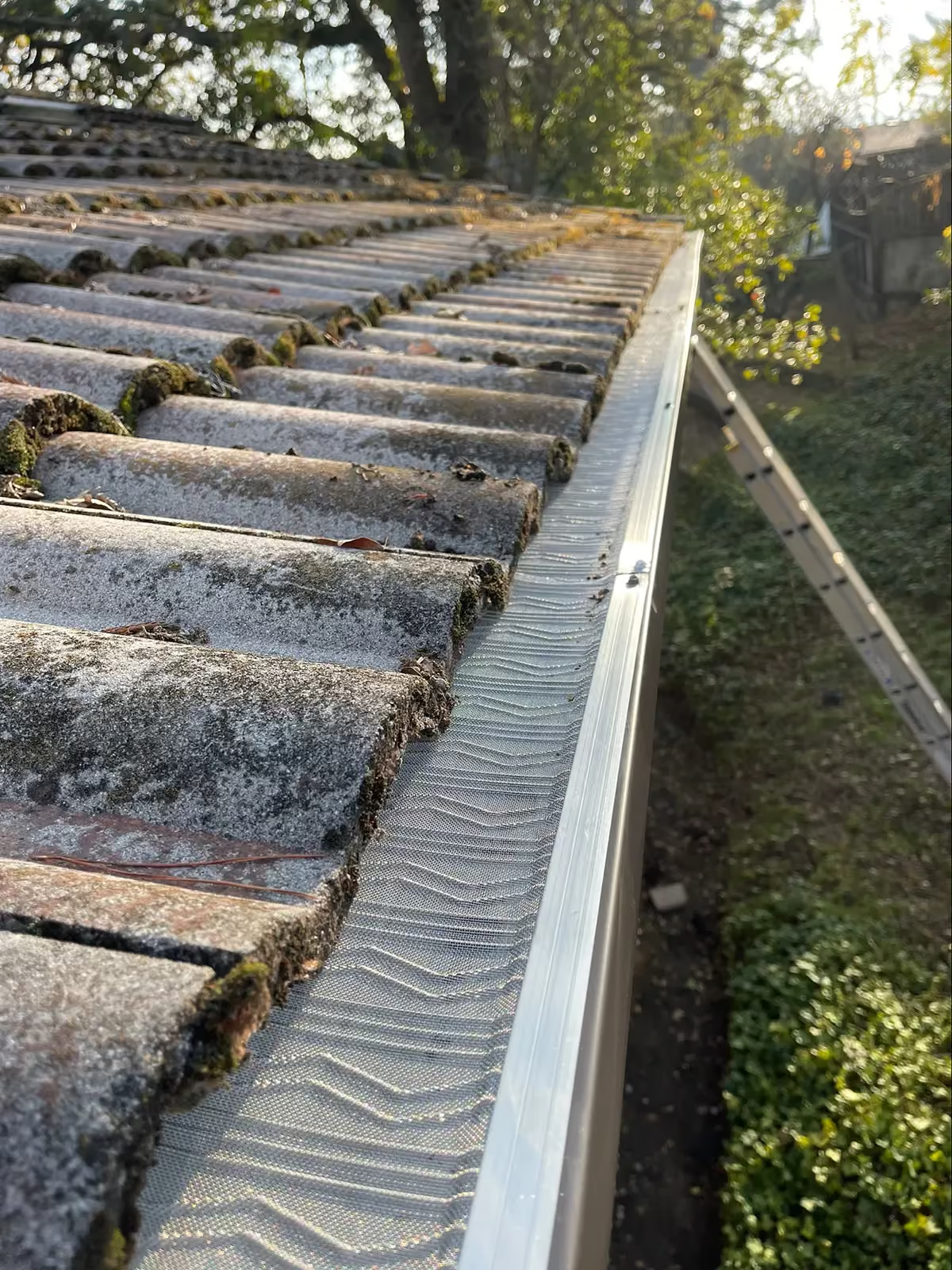
What fixes it
The service for this, and where to read more
Service
Roof inspections
A roof assessment with photographs, a written report and a clear explanation of what needs attention.
Service
Roof leak repair
We trace where rain gets into the roof and explain the repair needed at its source.
Guide
Oak, pine and eucalyptus on a roof
Leaves and needles can collect on the roof before they ever reach a gutter.
Related problem
Ceiling stain that appears after rain
A stain that darkens or spreads after rain means water is getting through the roof and reaching the drywall.
Related problem
Cracked or slipped roof tiles
A cracked, chipped or slipped tile is common on a concrete or clay roof and rarely a leak on its own, because the underlayment beneath it is what keeps water out.
Questions
Asked about this problem
Does moss actually damage a roof?
Over time, yes. It holds water against the covering, lifts the edges of shingles so wind and rain get underneath, and its roots work into the surface. On tile roofs it blocks the channels that carry water and keeps the tiles wet, which is how they crack. A light growth caught early does little; years of it shortens the roof's life.
Can I pressure wash it off?
Please do not. A pressure washer strips the protective granules from shingles, breaks the seal between courses and drives water under the covering. Kill the moss with a roof treatment, wait for it to die back, then brush it off gently from above. It takes longer and it leaves the roof intact.
Will the moss come back after cleaning?
If nothing changes about the shade and the damp, it will, usually within a couple of winters. Trimming the trees that shade the slope, keeping debris off the roof and fitting a zinc or copper strip near the ridge all slow it down. On a permanently shaded north slope, a treatment every few years is normal.
Free estimate
Find out what it costs
Tell us what's happening at your property, one step at a time. We'll review your request during business hours and arrange a free inspection.
What happens after you send it
- We call during business hours to set a time.
- A free visit. We measure on site and nothing is signed at the door.
- The proposed work and the price, in writing.
- (925) 555-0100Phone
- Mon–Fri 7:00 AM – 5:00 PMHours
Sat by appointment · Sun closed
100 Example Road, Brentwood, CA 94513 · office@example-roofing.demo
Your property answers are saved in this browser as you go. About saved answers.
Having trouble? Use the short form
Thanks. We will call during business hours to set up the inspection.
That did not send. Call (925) 555-0100 instead and we will take the details over the phone.