Water running behind the gutter
Water should leave the roof edge and drop into the gutter. When it runs down the back instead, it is getting between the roof and the trough, usually because there is no drip edge, the gutter sits too low or too far out, or the first row of roofing stops short of the edge. Left alone it rots the fascia the gutter hangs from.
The symptom
What you are seeing
- In rain there is a steady drip or a thin sheet of water coming from behind the gutter, between the metal and the painted board it is fixed to. The gutter itself may be half empty. Over time the fascia shows peeling paint, dark streaks and soft patches, and the gutter brackets start to work loose because the wood no longer grips the screws.
- From the ground you can often see the reason. Look at the gap between the back of the gutter and the fascia, and at the edge of the roofing above it. If the shingles or tiles end short of the gutter, or there is no strip of metal turning down from the roof edge into the trough, water has a route down the board. Also check whether the gutter has dropped away from the roofline, which happens when the fascia has softened and the hangers have pulled.
Most likely first
Likely causes
No drip edge, or one bent the wrong way
A drip edge is a metal strip under the first course of roofing that turns water into the gutter. Without it, water clings to the underside of the roofing and runs down the fascia. Many older roofs were laid without one.
The gutter hung too low or too far out
If the back of the trough sits below the roof edge or is pushed out from the wall, water leaving the roof falls into the gap. This is common where gutters were rehung after a re-roof without resetting their height.
Roofing that stops short of the edge
The bottom course should overhang into the gutter slightly. When it was cut short or the edge was trimmed for a fascia repair, water drops straight down the board instead of reaching the metal.
A gutter that has pulled away
Once the fascia softens, the hangers lose their grip and the gutter tips forward. The gap at the back opens and everything from the roof edge goes down behind it, which rots the board faster still.
The honest rule
Repair or replace
Fitting a drip edge or a gutter apron along the affected run, and rehanging the gutter at the right height into sound wood, is a repair. It is done from a ladder or a short section of scaffold and the gutter itself usually goes back on. Where a length of fascia has gone soft, that board is replaced before the gutter is refixed, and the estimate should say so as a separate line.
It becomes more than a repair when the fascia is rotten along most of the run, when the rafter tails behind it have started to soften too, or when the gutter has been pulled and refixed so many times that the metal is distorted. At that point new fascia and a new gutter run together cost less than fixing them one after the other. The roof edge above may also need attention if the underlayment has been wet at the eave, and that is a roofing conversation rather than a gutter one.
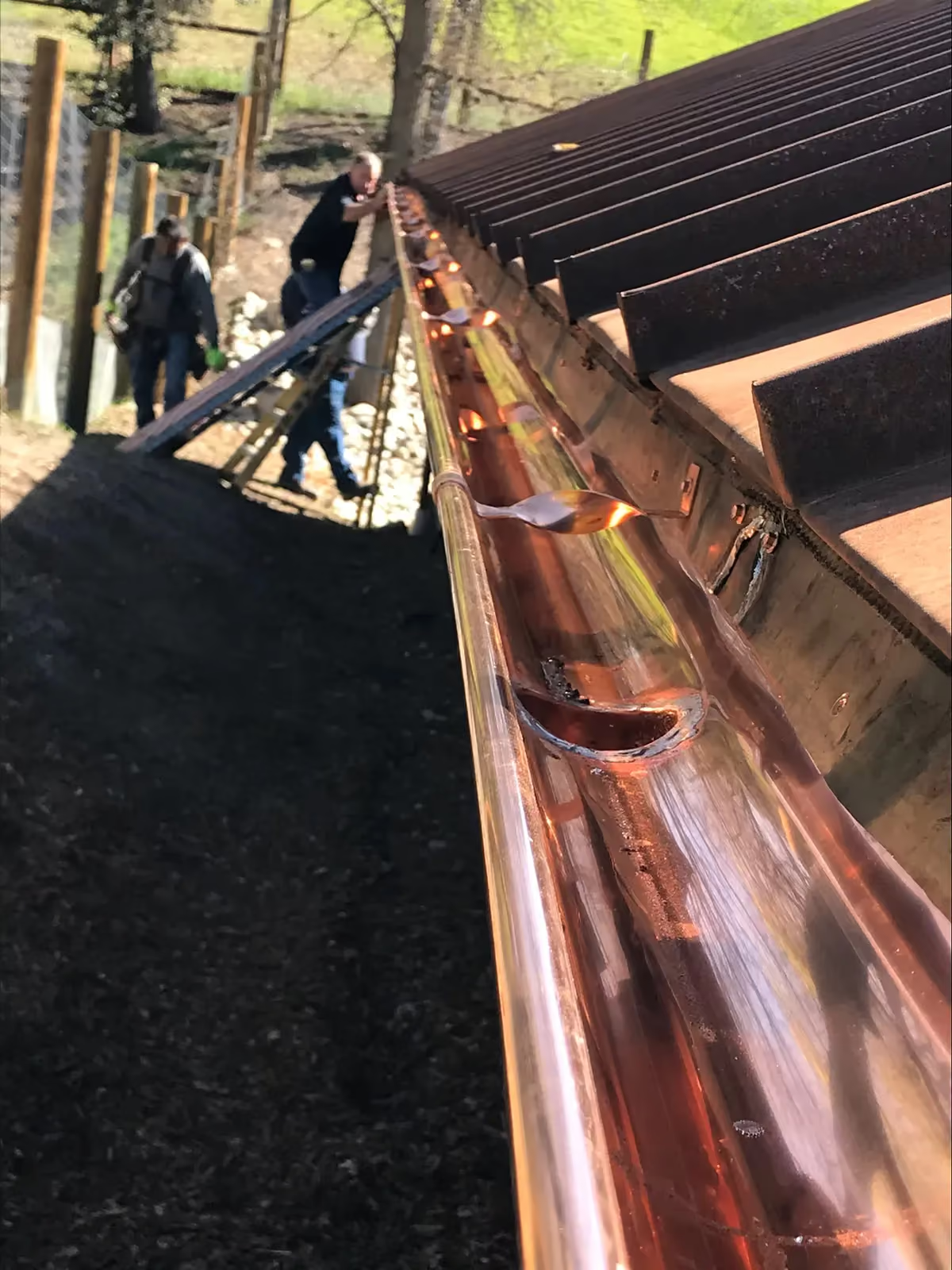
What fixes it
The service for this, and where to read more
Service
Gutter repair
Repairs for leaking joints, loose supports and sagging runs when the rest of the gutter can stay.
Service
Seamless gutter installation
We form each straight gutter run at your property and fit it to carry water toward the outlets.
Guide
Repair the gutters or replace them
A repair can make sense when a joint, support or short section has failed and the rest of the gutter is sound.
Related problem
Gutter pulling away from the house
A gutter that has dropped, tipped forward or opened a gap along the top is no longer held by its fasteners.
Related problem
Gutter overflowing at one corner
One corner spilling while the rest of the gutter behaves is almost never a sign that the whole system is too small.
Questions
Asked about this problem
Is a drip edge the same as a gutter apron?
They do the same job in different shapes. A drip edge is an L-shaped strip fitted under the roofing along the eave. A gutter apron is a wider version that reaches down into the trough, which suits a gutter that sits a little low. Either one closes the gap behind the gutter.
Can I seal the gap with caulk?
Caulk between the gutter and the fascia traps water rather than directing it, and it hides the rot developing behind it. The gap is a symptom of the roof edge and the gutter height, so the fix is to correct those. Sealant is for joints in the metal, not for the back of the trough.
How do I know if the fascia is already rotten?
Press a screwdriver into the board near the hangers. Sound wood resists; rotten wood gives and may crumble. Peeling paint that comes away in sheets, a dark stain that stays damp days after rain and brackets that wobble are the other signs. An inspection will check the whole run, not just the wet spot.
Free estimate
Find out what it costs
Tell us what's happening at your property, one step at a time. We'll review your request during business hours and arrange a free inspection.
What happens after you send it
- We call during business hours to set a time.
- A free visit. We measure on site and nothing is signed at the door.
- The proposed work and the price, in writing.
- (925) 555-0100Phone
- Mon–Fri 7:00 AM – 5:00 PMHours
Sat by appointment · Sun closed
100 Example Road, Brentwood, CA 94513 · office@example-roofing.demo
Your property answers are saved in this browser as you go. About saved answers.
Having trouble? Use the short form
Thanks. We will call during business hours to set up the inspection.
That did not send. Call (925) 555-0100 instead and we will take the details over the phone.